
Litter Less Campaign
The Litter Less Campaign educates children and youth around the world on the issue of litter and gives them the opportunity to engage their local communities in awareness-raising activities.
The Litter Less Campaign (LLC) is a joint project between Mars Wrigley Foundation and Foundation for Environmental Education (FEE). Running for 13 consecutive years (Phase I, II, III, IV & V) all around the globe, it underlines tangibly the importance of dealing with the issue of litter and waste.
The efficient efforts of participating schools and National Operators and the campaign’s continued development ensuring relevance and engagement, are major contributing factors to the LLC success.
The campaign has been implementated since 2011 and more than 7.4 million students from 35 countries have participated. Through continuous evaluation, the improvement in students’ knowledge and behaviour change regarding litter and waste management as well as their vivid interest and eagerness to learn have been documented.
Video produced by Welton Media
GLOBAL IMPACT

Global cumulative participation (July 2025)

Timeline of cumulative student participation (July 2025)
Participating countries in the Litter Less Campaign since 2011

MAIN OBJECTIVES
To reduce the litter and waste footprint of communities by strengthening students’ litter and waste literacy
To increase student knowledge and practical skills in preventing and managing litter and waste, thereby promoting the Circular economy concept and fostering long-term behaviour change.
To promote and improve the schools and/or nearby surroundings waste management.
To educate youth as opinion leaders and active citizens so they can find solutions to litter and waste issues and disseminate them through social media and other channels.
To collaborate with other schools nationally or internationally to disseminate good examples, encourage to take action and increase the positive impact

How DID it work?
Litter was an ideal theme for introducing students to environmental issues because it was visible and made it easy to see the impact of positive action. Through the Young Reporters for the Environment programme, students investigated local litter issues, such as the effects of litter on wildlife and human health, or the types of packaging most commonly discarded in their communities. They then created journalistic pieces in the form of articles, photo reportages or video clips, each including practical solutions for reducing litter.
Students shared their investigations across the YRE network by publishing their articles, photographs and videos. They were also encouraged to disseminate their work more widely through print, broadcast and social media.
In addition, participants organised action days and developed action plans to address local waste challenges within their communities.
YRE Competition and Litter Less Campaign

The Litter Less Campaign (LLC) played a central role in the Young Reporters for the Environment (YRE) International Competition by inspiring young reporters to investigate litter and waste issues through environmental journalism. Dedicated competition categories recognised outstanding articles, photographs and videos, celebrating creativity, investigative skills and innovative solutions from around the world.
Get to know more of the Litter Less Campaign stories of the YRE Competition here.
Find out more about the Litter Less Campaign by watching this video.
Global Stories of the Campaign
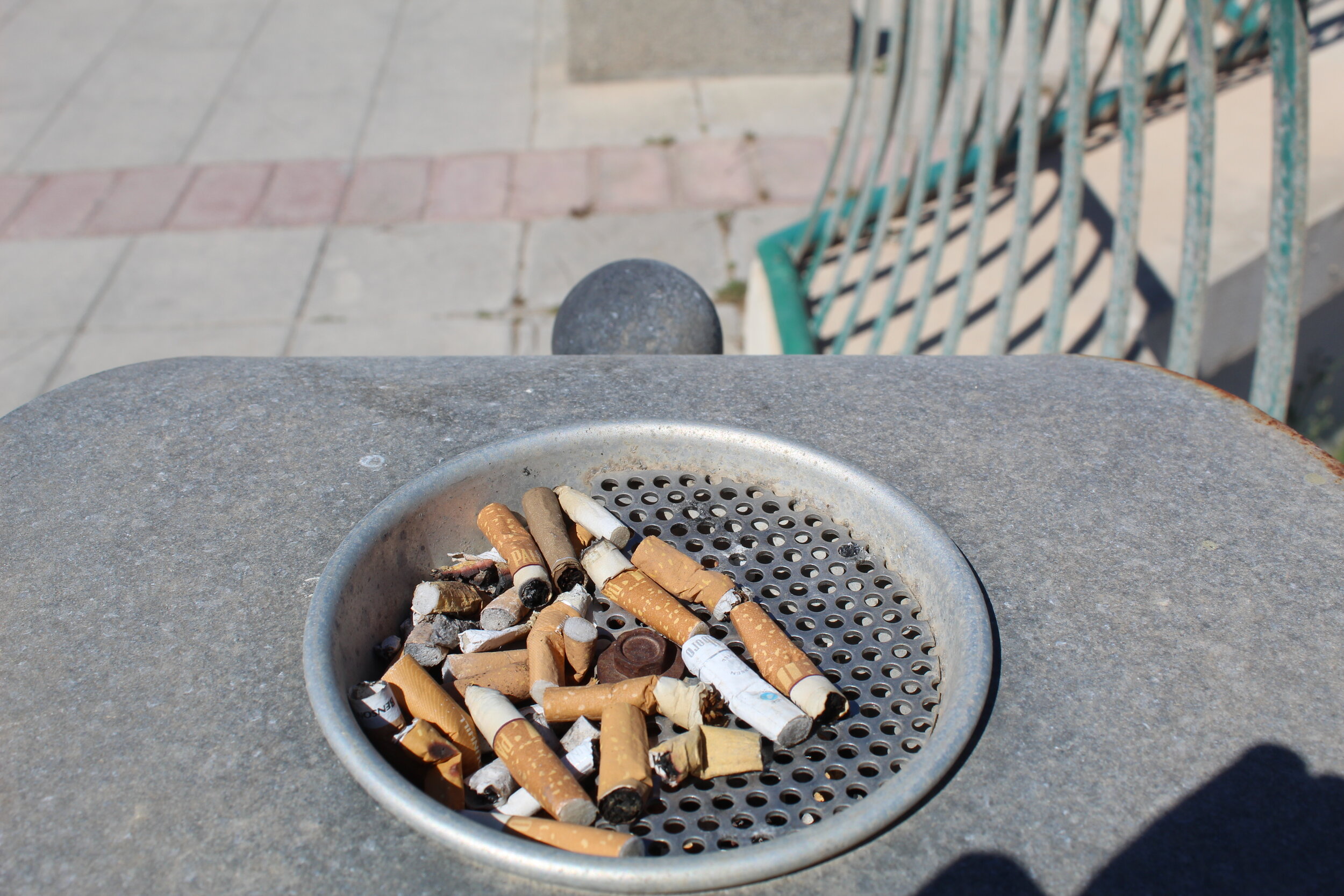
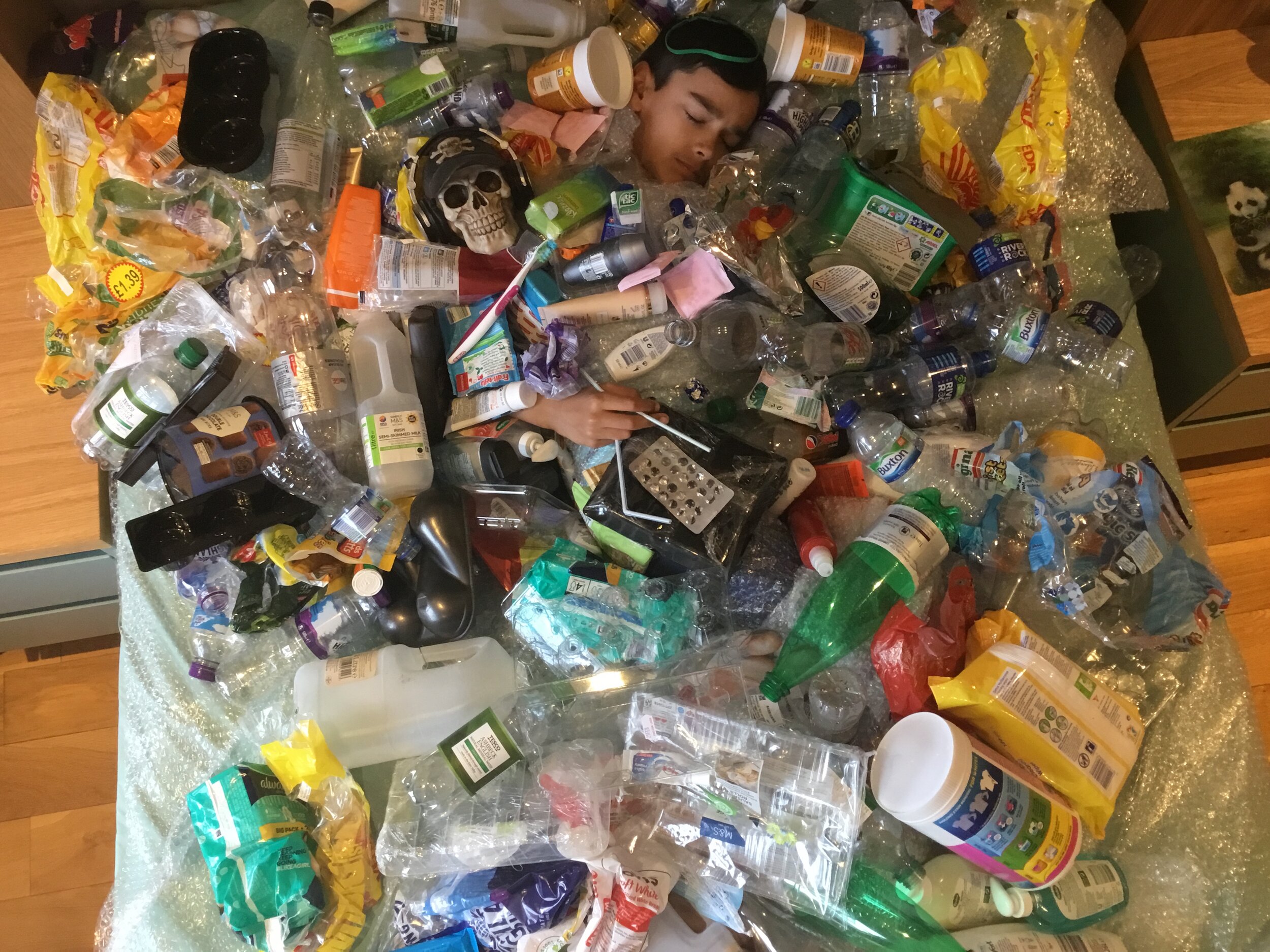
Photos






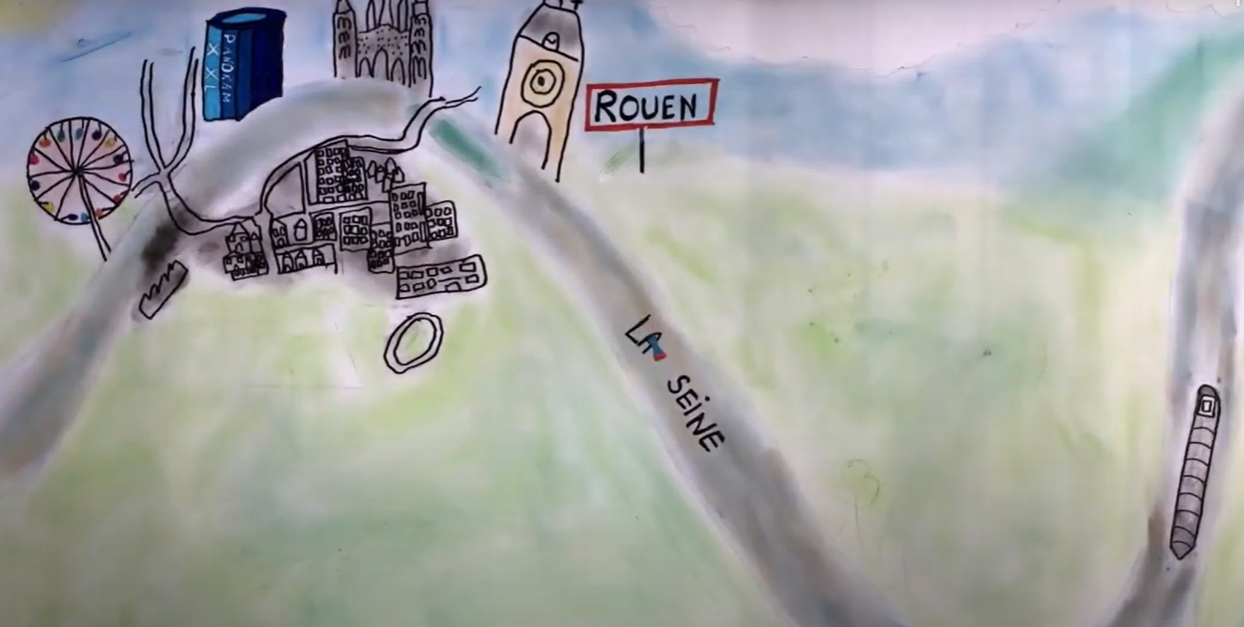
Videos


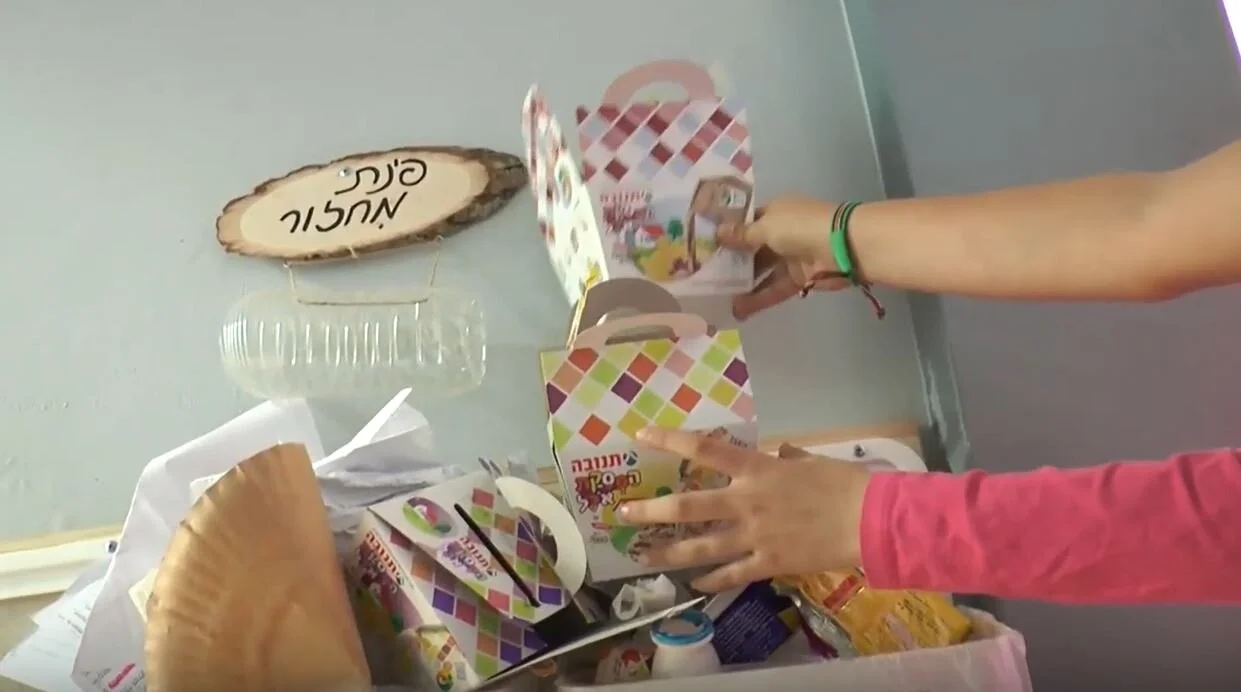


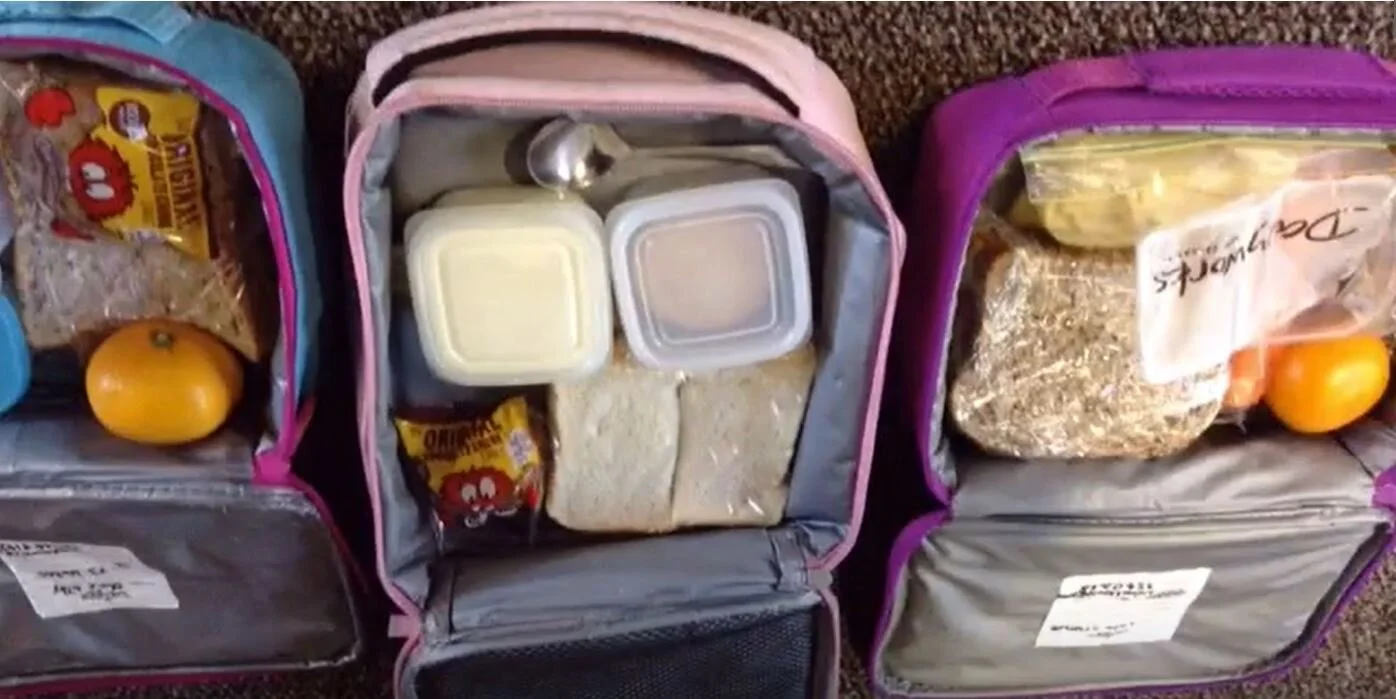
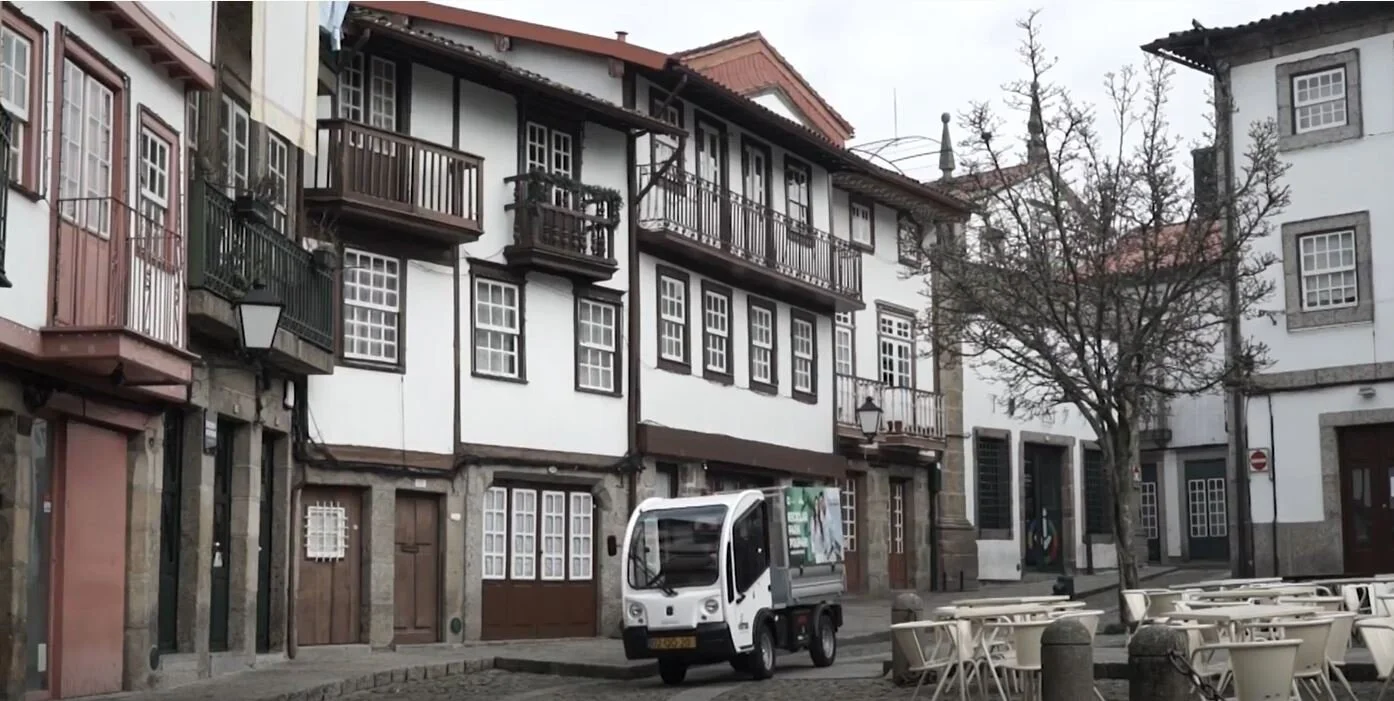
Articles

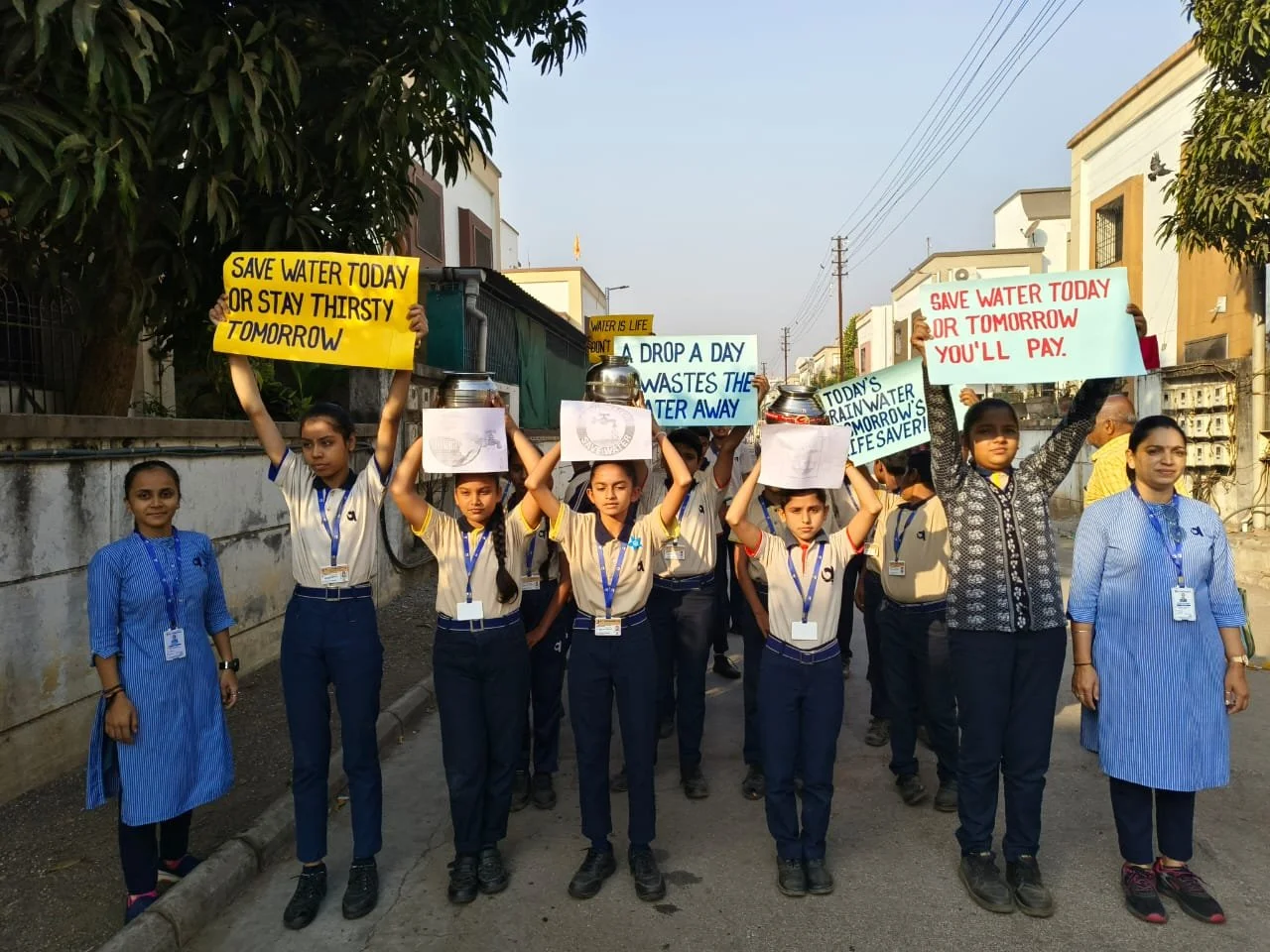


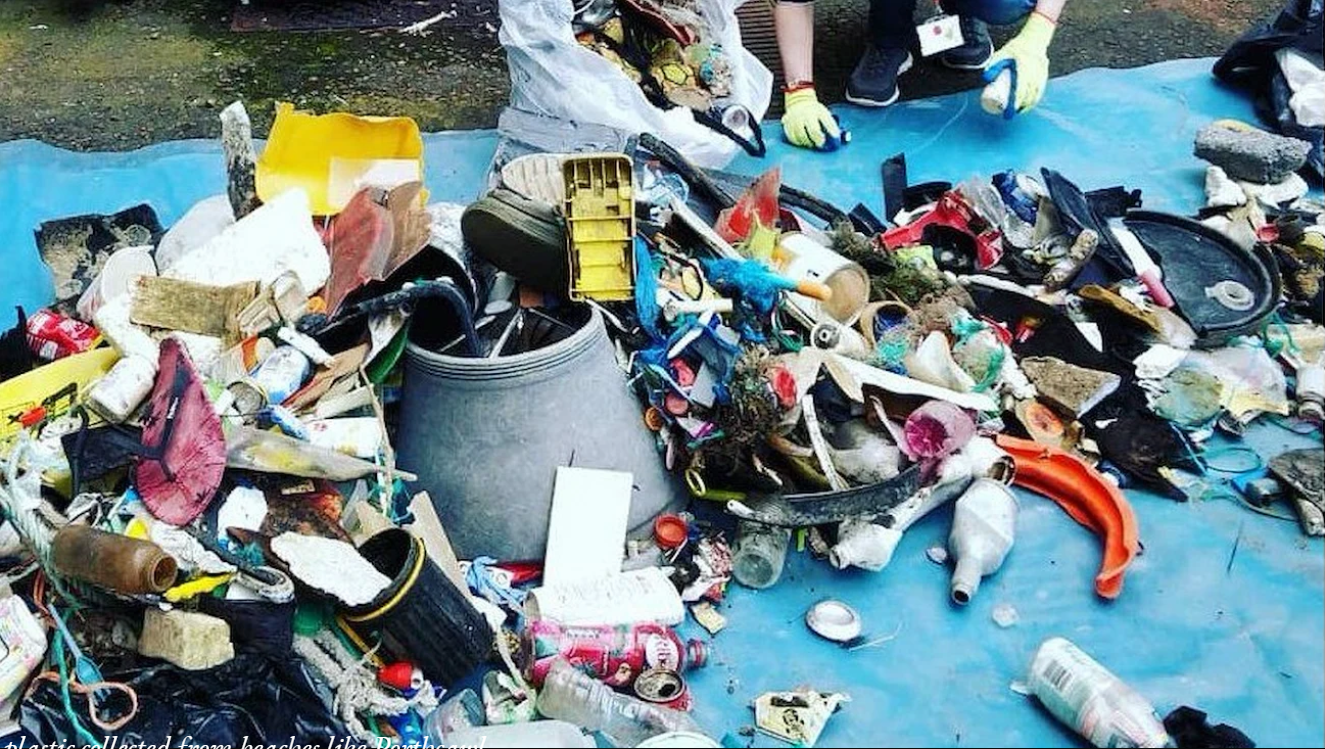


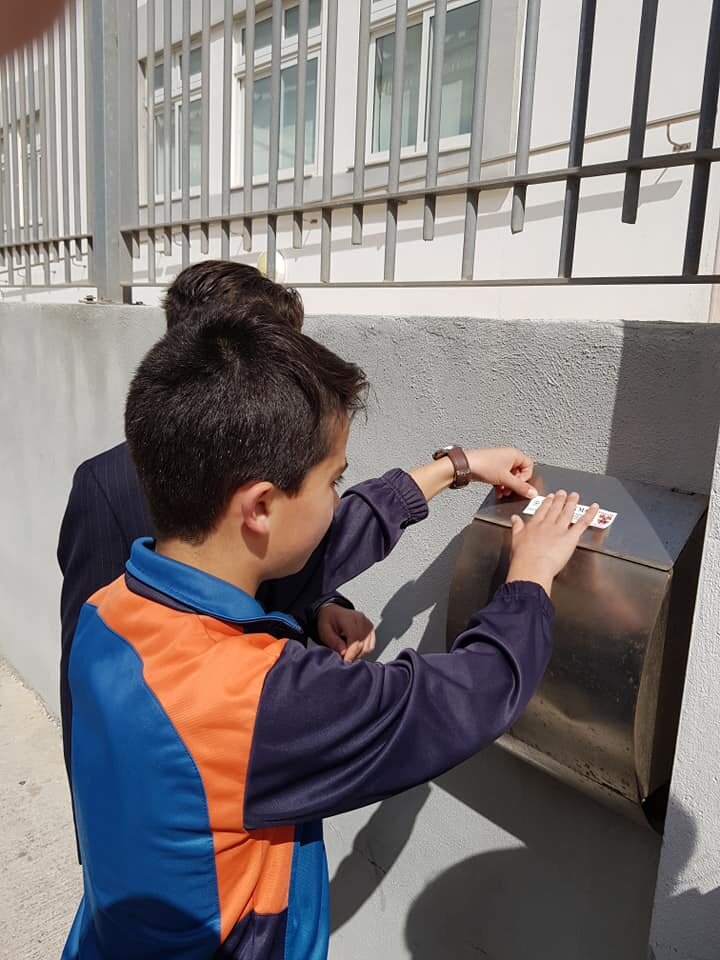

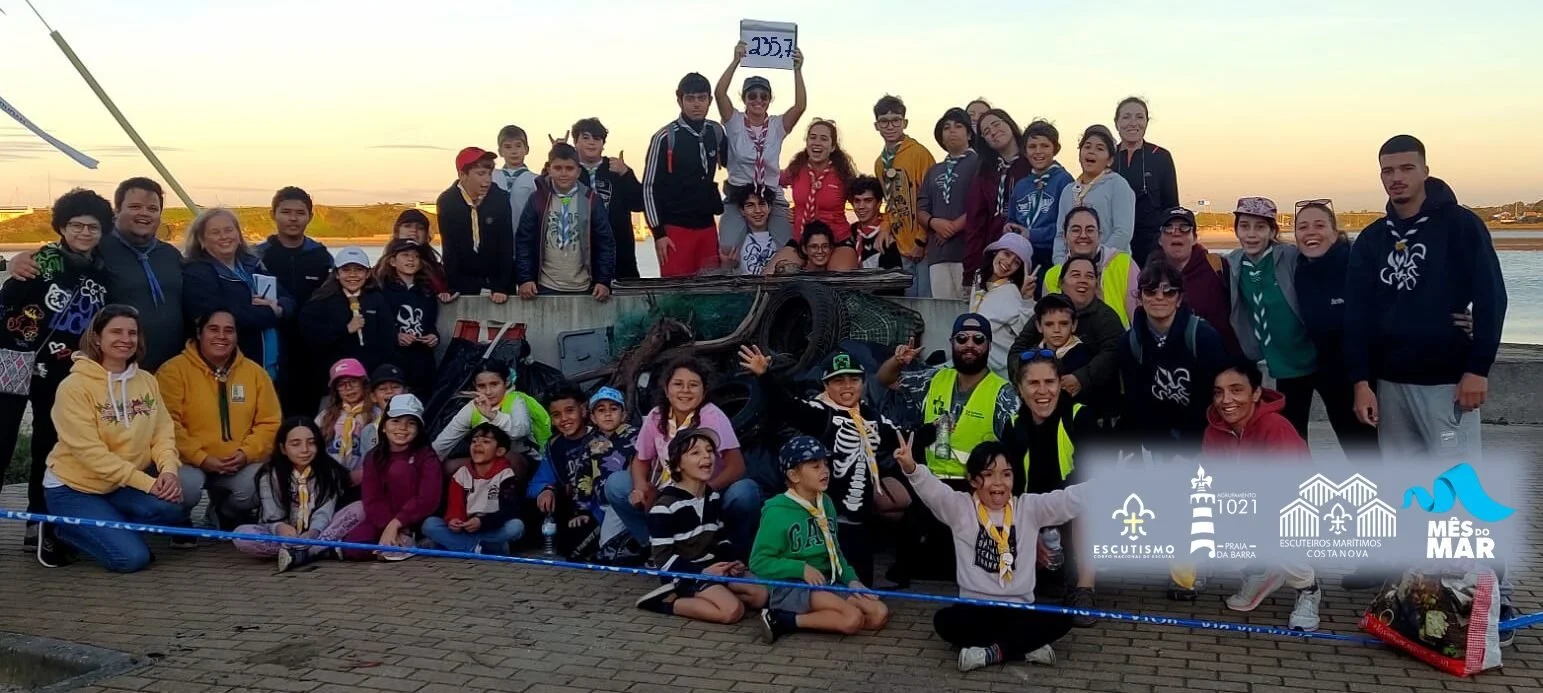
Collaboration with Scouts & Stories from members


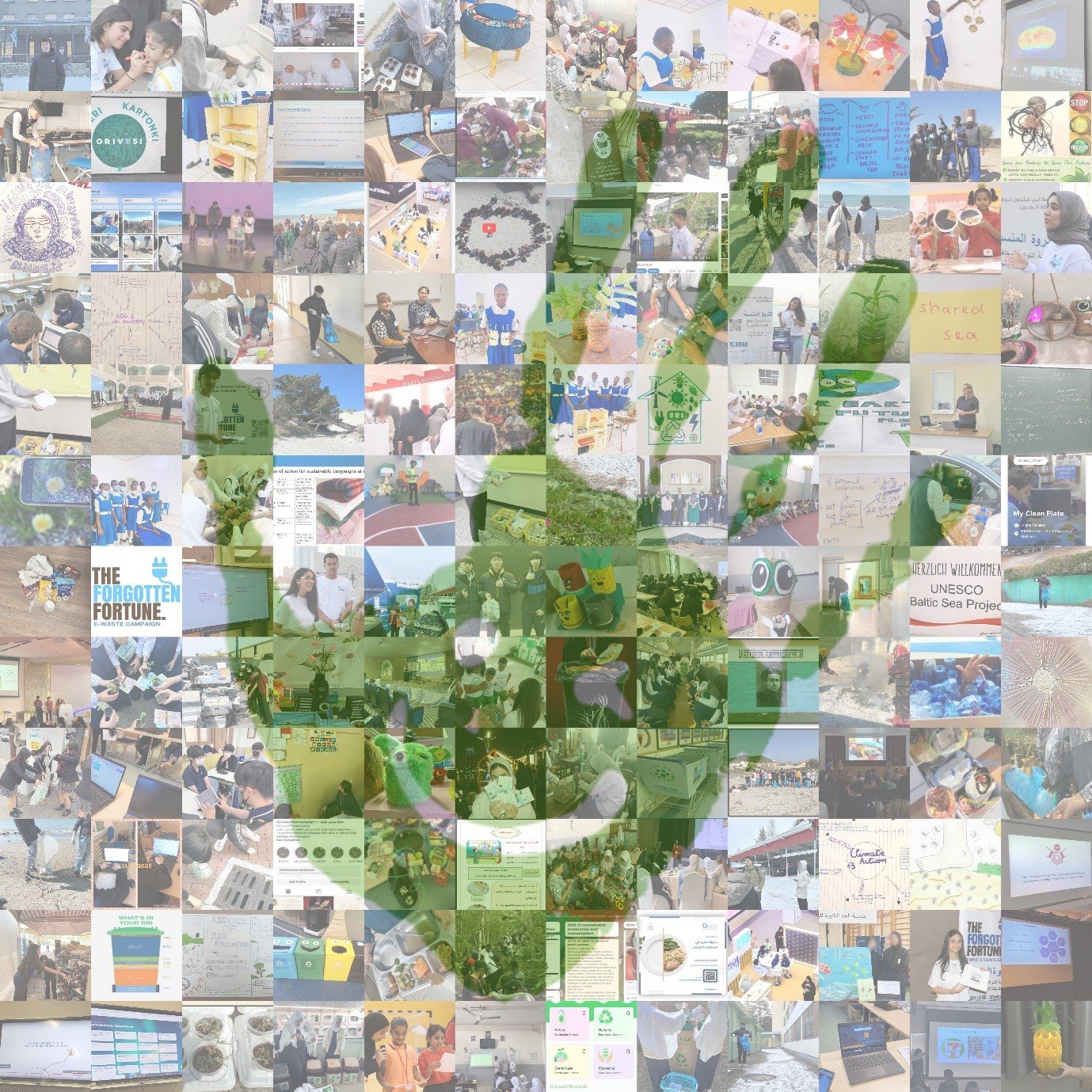


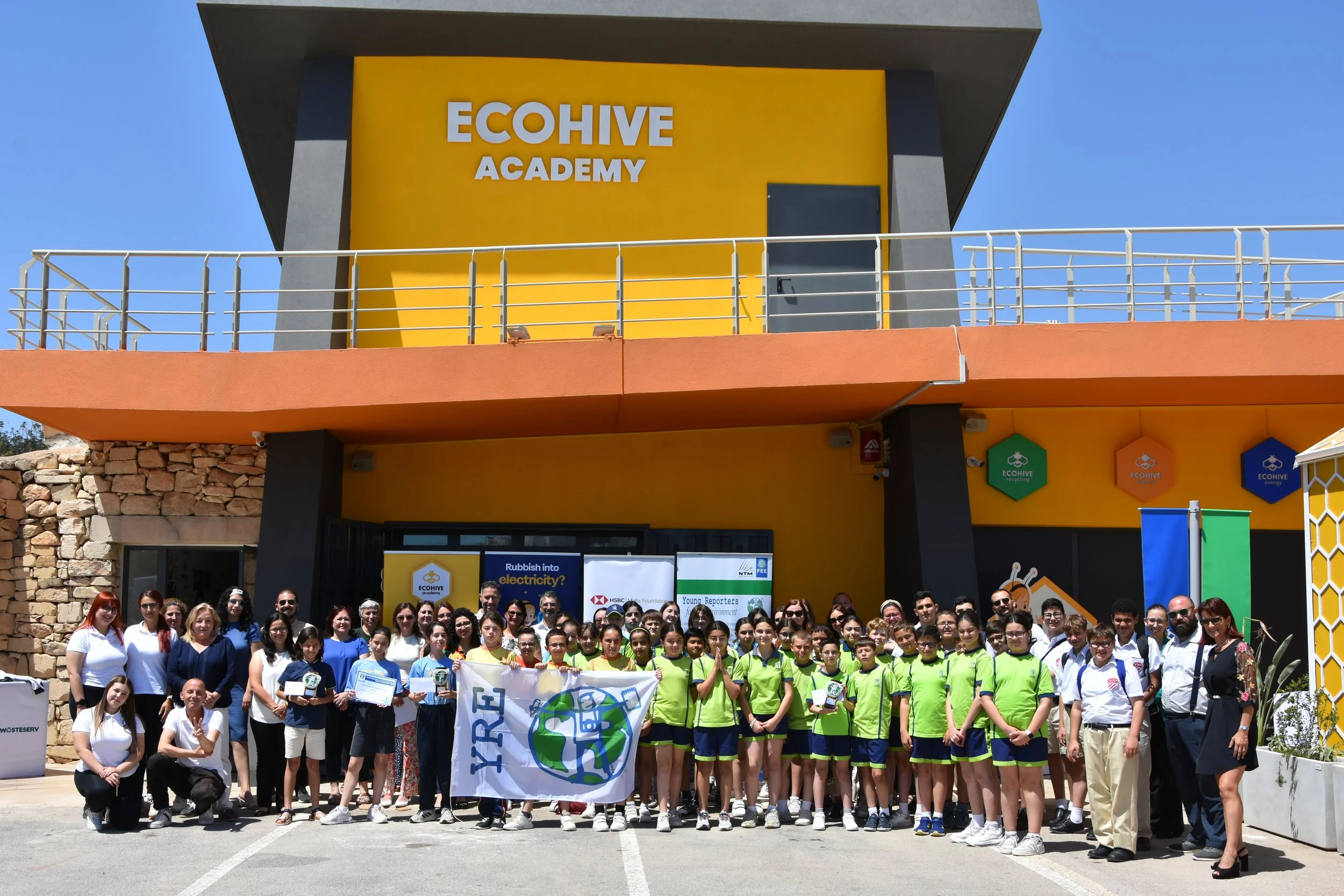

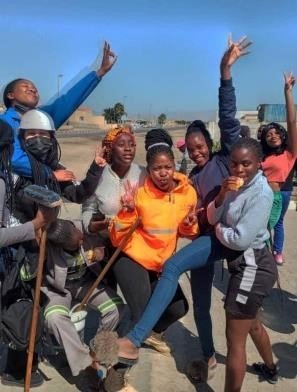


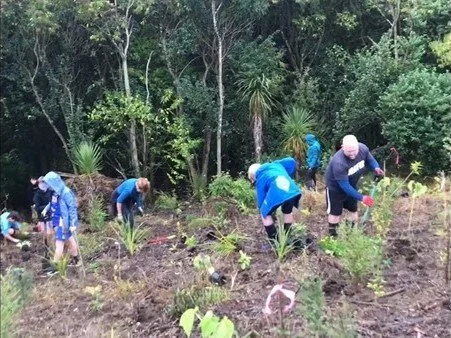


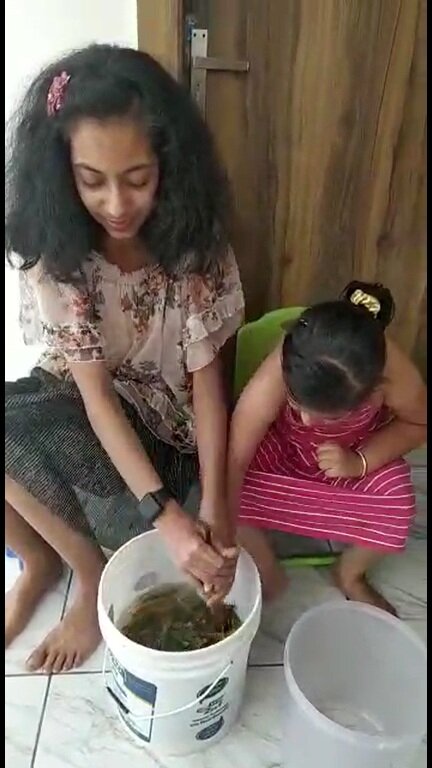
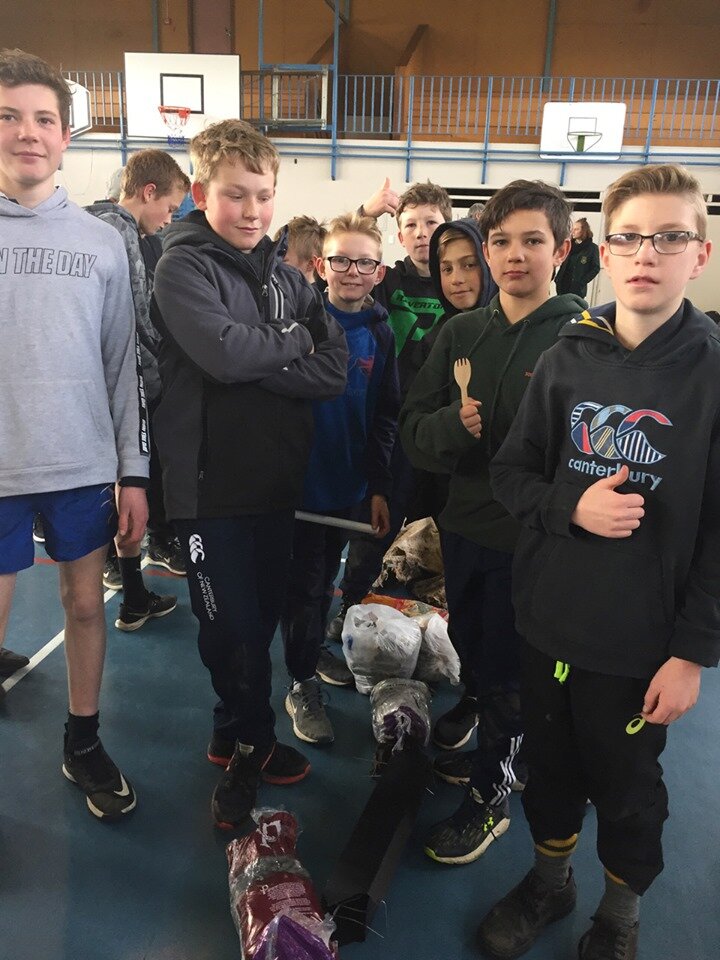
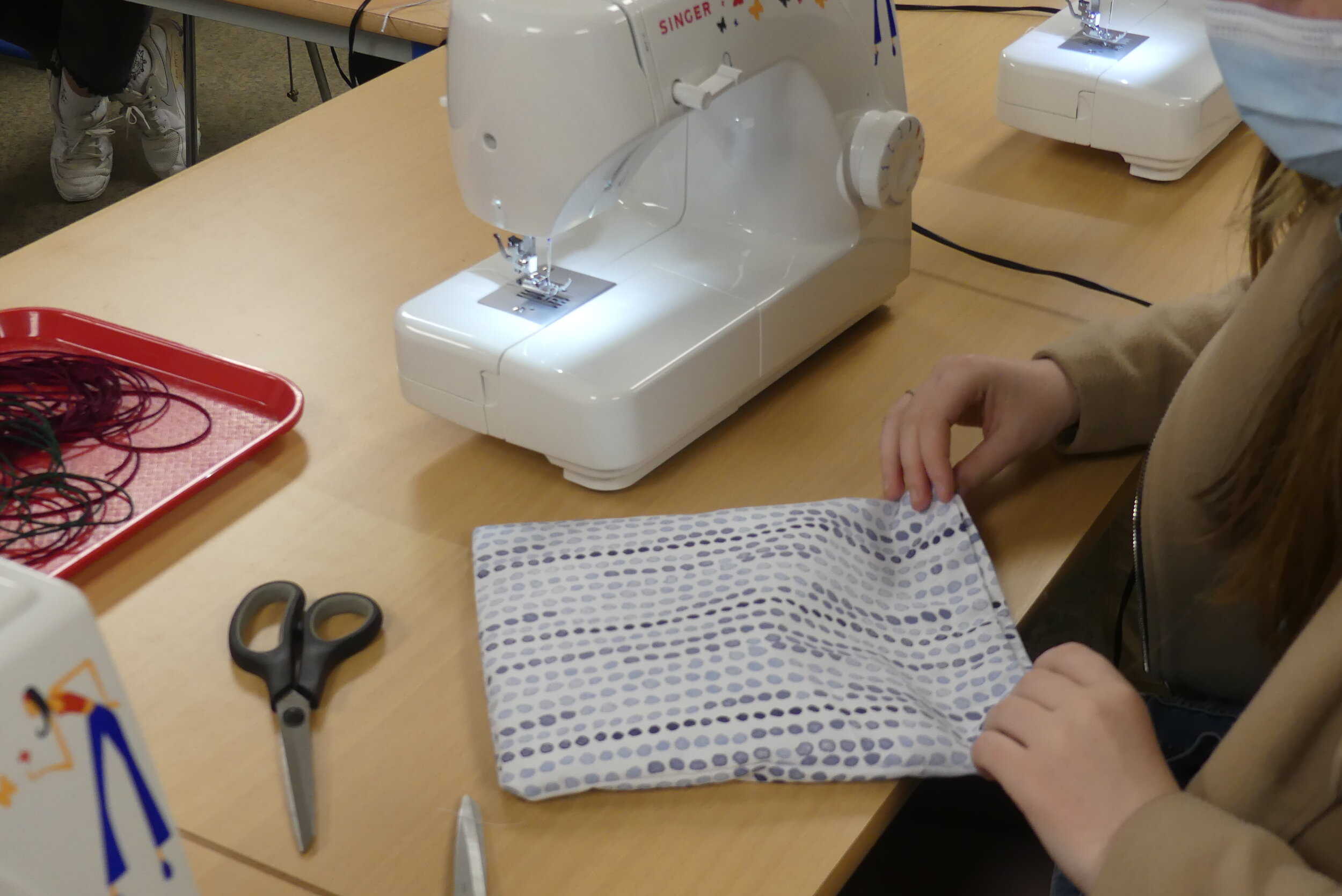


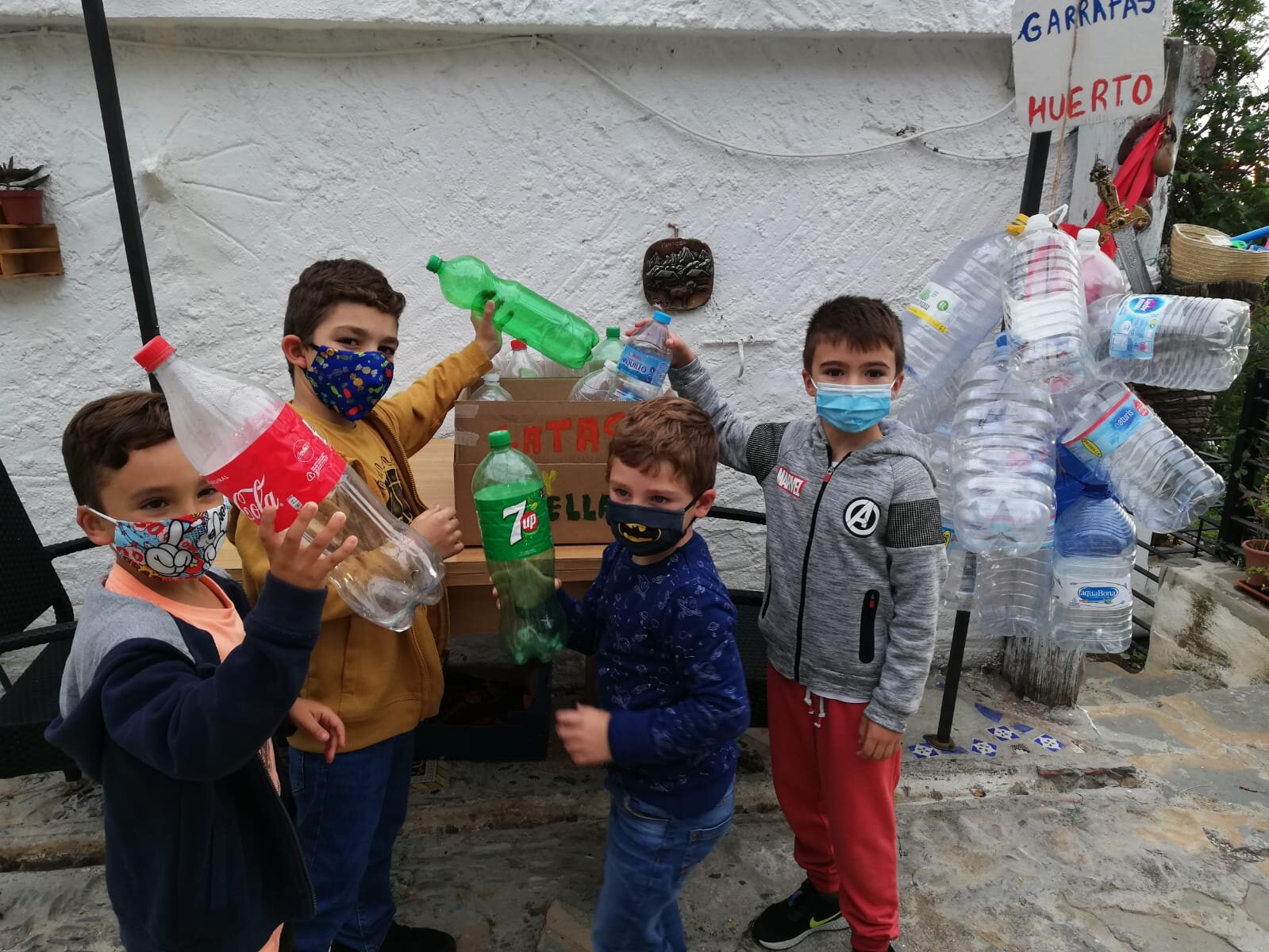

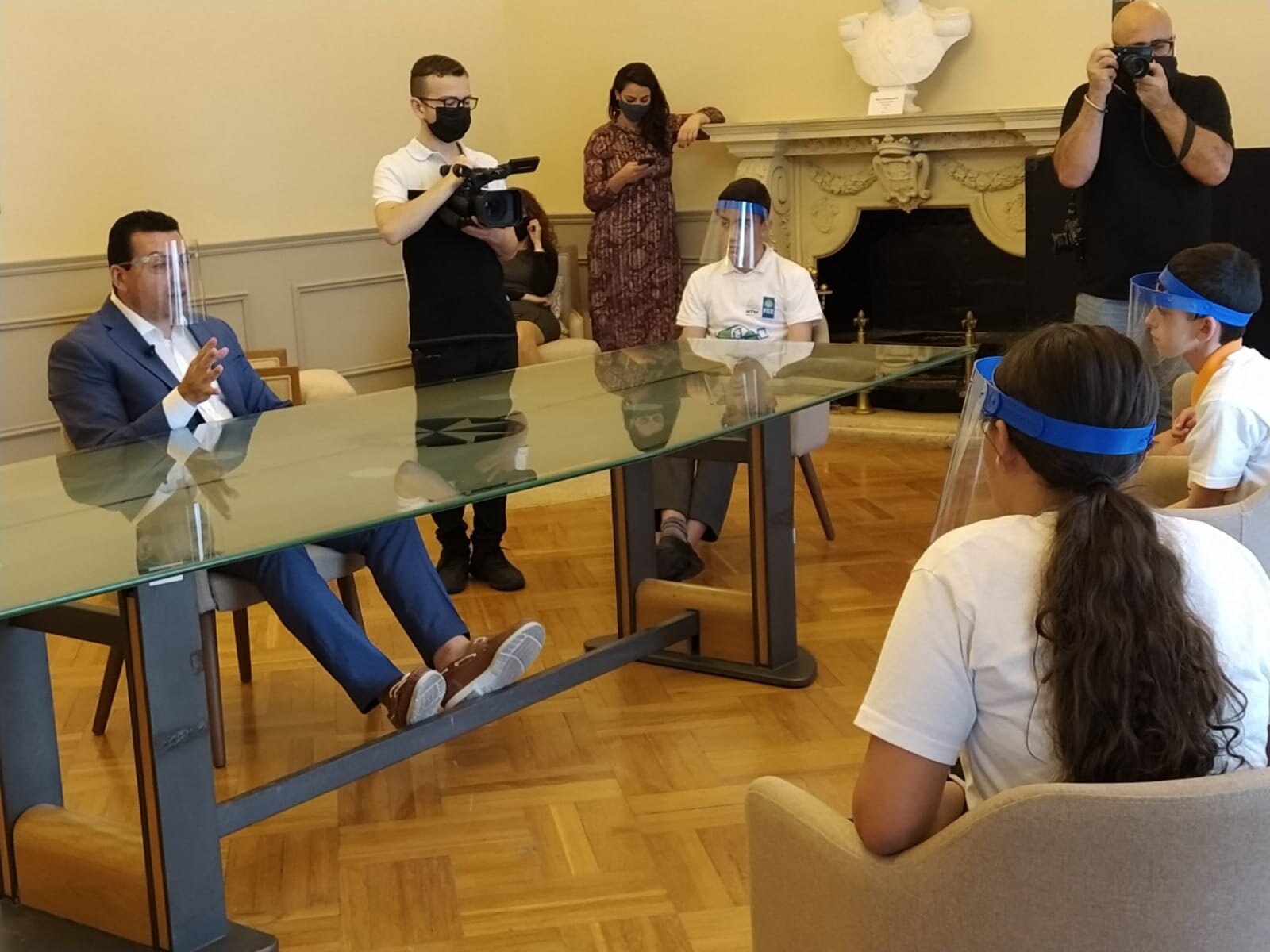
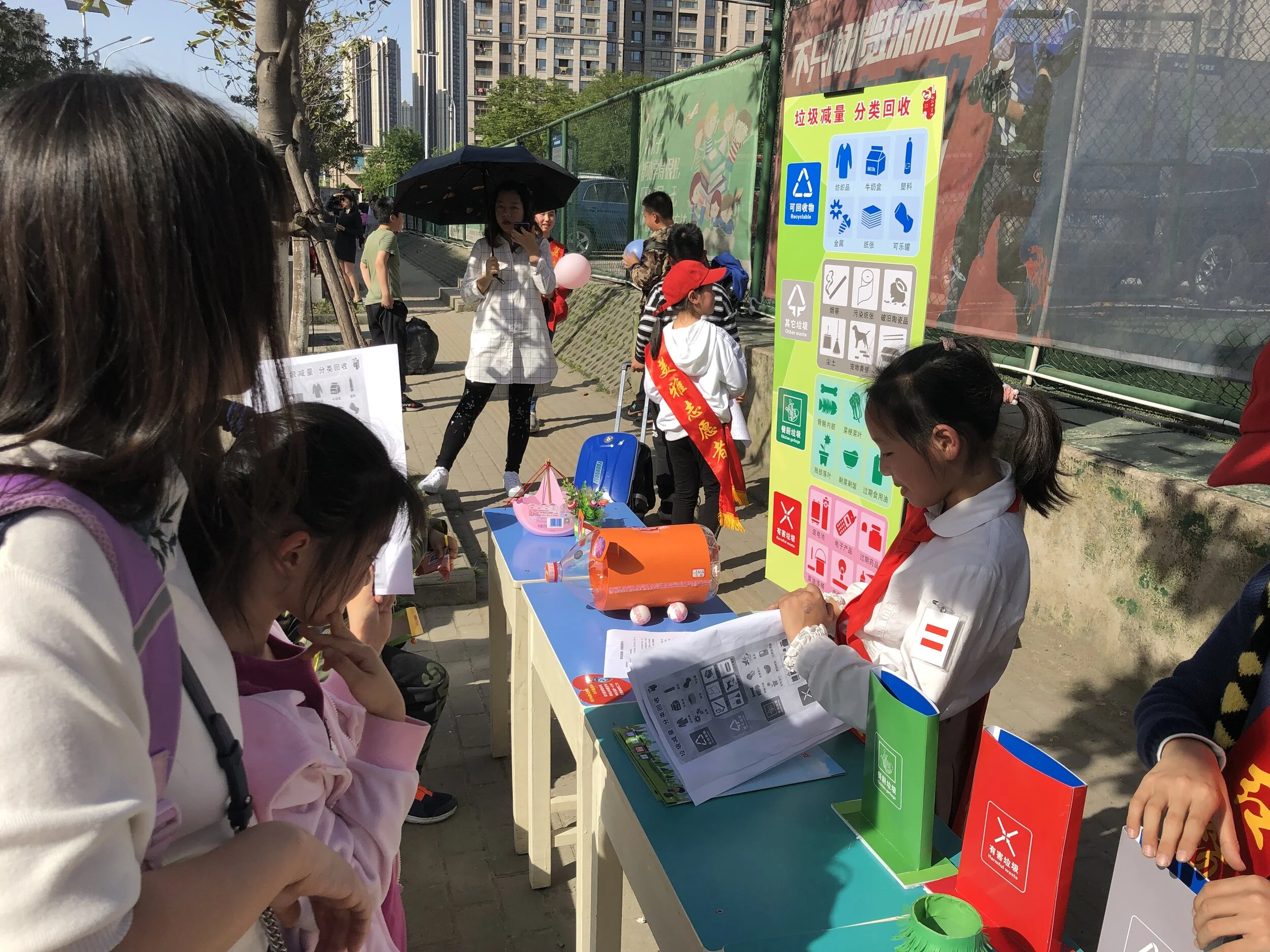


Mini Litter Less Campaign (2021)
In 2021, the Litter Less Campaign introduced the Mini Litter Less Campaign, a global two-week challenge that invited young people from across the FEE network to investigate litter and waste issues in their communities. Participants completed environmental actions, shared their stories through environmental journalism, and used the Treasure Earth app to record and map litter, contributing to a global picture of waste pollution while encouraging local action.
The initiative concluded with an international competition celebrating outstanding student articles, photographs and videos that highlighted innovative solutions to litter and waste challenges. Many of the winning entries remain part of the Young Reporters for the Environment archive, showcasing the creativity and impact of young environmental journalists. Get to know more about the Mini Litter Less Competition winners here.
Litter & Waste Lesson Plans
These lesson plans have been developed to support the aims of the Litter Less Campaign. However, any teacher wishing to educate his/her students on the issue of litter and waste are free to use the material. The lesson plans are based on the YRE methodology and for the age groups: 11-14, 13-16 and 15-18 years.
Remember to first read the Index and Introduction
7. Hazardous Waste
Before you Begin
11-14 Years - Green Cleaners
15-18 Years - Taking Action
8. Sustainability and Waste
Before you Begin
15-18 Years - Celebrate your local festival in an environmentally friendly way
15-18 Years - Culture of Waste
9. Marine Waste
Before you Begin
13-16 Years - Micro Solutions of Microplastics
10. E-waste
Before you Begin
15-18 Years - E-waste Survey
11. Global Treaties, Policies and Legislation
Before you Begin
15-18 Years - Communicating Waste Law
1. Earth Cycle of Resources
Before you Begin
11-14 Years - Cross Country Decomposers
2. Waste Management
Before you Begin
15-18 Years - Household Waste Survey
3. Litter
Before you Begin
11-14 Years - Litter… Why does it matter?
15-18 years - Litter Blitz
4. Packaging
Before you Begin
11-14 Years - Purpose of Packaging
13-16 Years - Smart Shopping Choices
15-18 Years - Finding Solutions
5. Sustainable Consumption
Before you Begin
15-18 Years - I am a Consumer
6. Learning to be an Environmental Journalist
Before you Begin
15-18 Years - Writing an Article
15-18 Years - International Trade in Waste
15-18 Years - Photographs tell a Story
15-18 Years - Using Video to Communicate
Adjusted Lesson Plans for Home-Schooling
Litter Less lesson plans for home-schooling
Translated Lesson Plans
Lesson Plans in SPANISH (includes lessons for both Eco-Schools and YRE)
LLC plan de clase (complete document)
Lesson Plans in FRENCH (Includes lessons for YRE only)
Lesson Plans in Portuguese