
Can Sailing Boats Keep Afloat Amid Growing Climate Threats?
The following article was written by Young Reporter for the Environment Elinor Roderick from United Kingdom. She was part of the sailing voyage organized Sail Training International who are in active collaboration with both the YRE Programme and the Blue Flag Programme.
Storms: The Uninvited Guests at Every Sailor’s Party
by Elinor Roderick, October 2024
Huge storms and hurricanes have been dominating the headlines, raising concerns about how sailors respond to these extreme weather events. Take Joseph Malinowski, also known as ‘Lieutenant Dan’, a Tampa sailor who survived two consecutive hurricanes aboard his 20-foot sailboat. Even after experiencing the impacts of Hurricane Helene, Malinowski stood by his decision not to evacuate during Hurricane Milton, claiming the “safest place to be is on a boat in a flood.” (1) But how safe is sailing, especially in an era of increasing climate change?
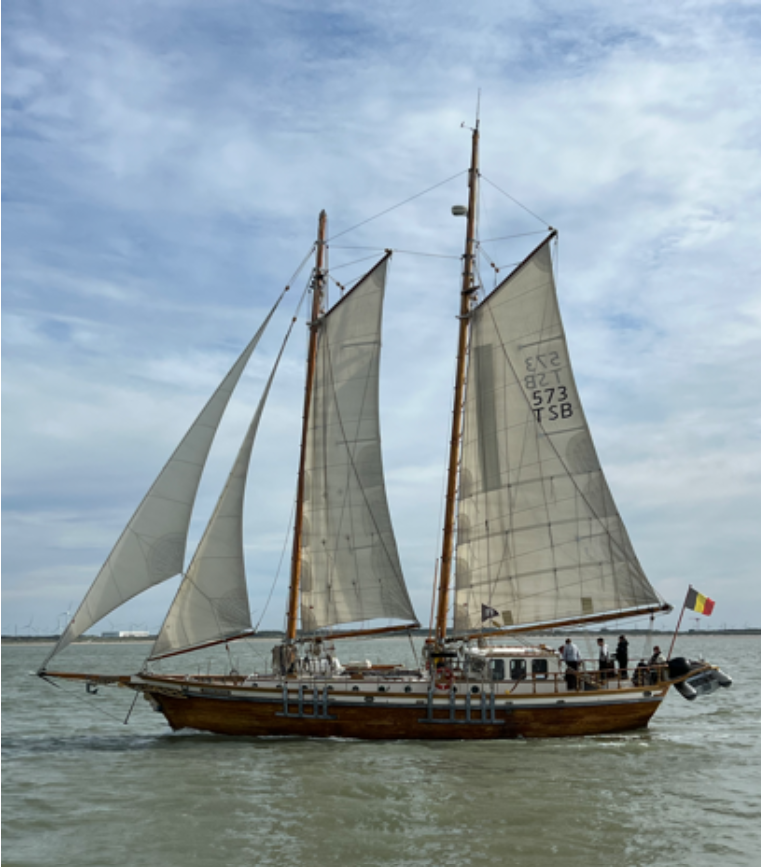
Sail Training International sailing T.S. Rupel before storm Isaac, Belgium coast LARA LAVER
Sailors often rely on the classic strategy of navigating away from a storm's path, but as storms intensify, sailing becomes more perilous. Climate change is causing more frequent and often severe weather events, making oceans more unpredictable and dangerous. Sailing, once the epitome of freedom and exploration, now faces a harsh reality.
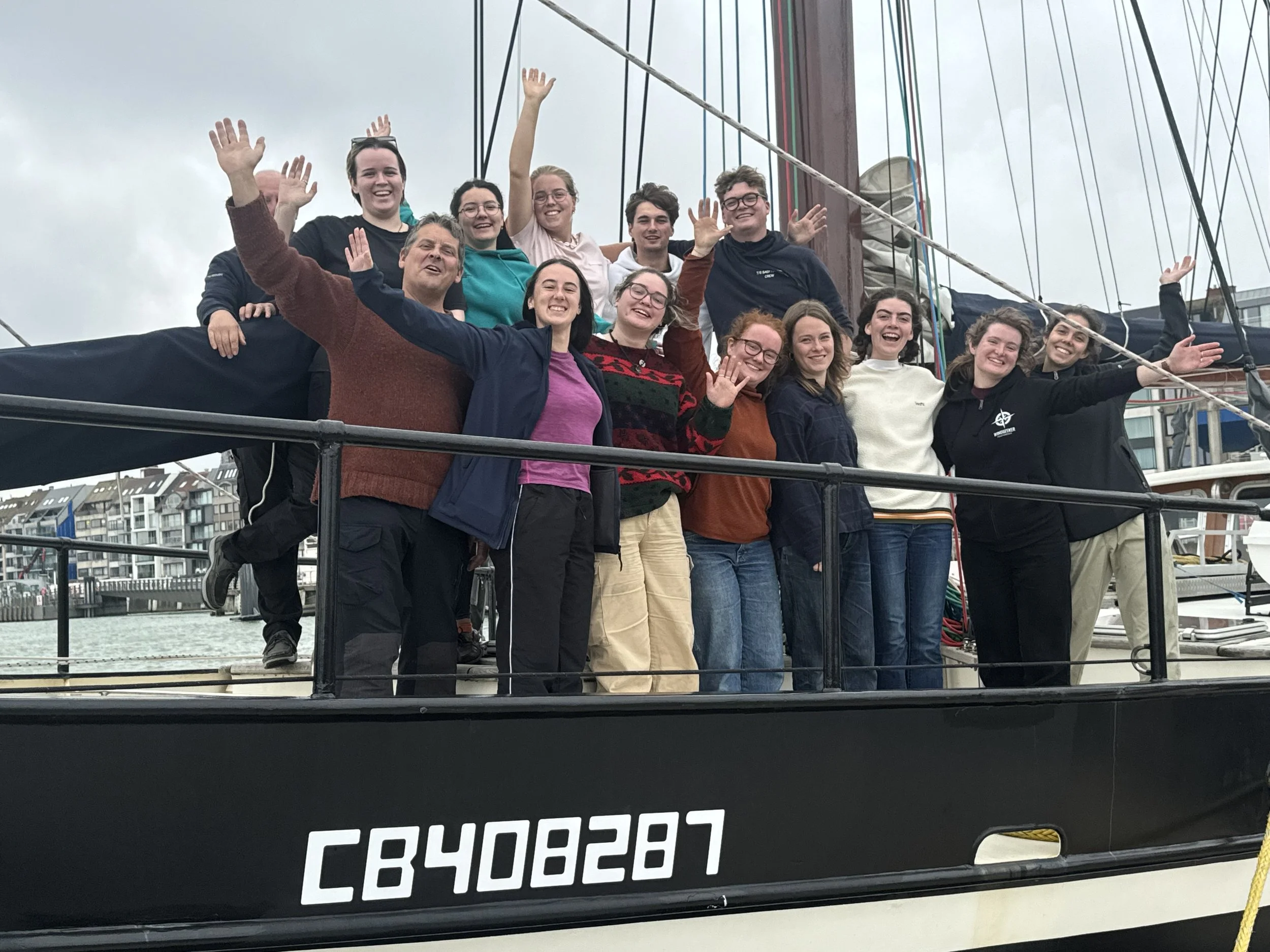
Recently, I had the opportunity to experience this firsthand aboard T.S. Rupel and T.S. Saeftinghe as part of Sail Training International in Belgium. The voyage was a combination of learning and connecting with students from all over the world, including New Zealand, Australia, Sweden and Germany. However, the journey took an unexpected turn. Our adventure was cut short by Storm Isaac, a reminder of how unpredictable the sea has become. For two days, our ship was grounded, forcing us to explore the cities of Ghent and Ostend by train instead of by sea.

Sail Training International voyage crew 2024, Ostend SAIL TRAINING INTERNATIONAL
This pause in our journey brought me face-to-face with the growing environmental challenges caused by climate change. More frequent storms, like Isaac and Milton, are just the beginning. Historically, sailors could rely on the weather patterns, but those patterns are shifting, making it harder to plan voyages safely. The maritime industry is feeling the effects of a warming planet, and the question remains: how will sailing adapt?
Beyond the immediate dangers posed by storms, sailing also has an environmental gauge that can’t be ignored. While tall ships like the T.S. Rupel and T.S. Saeftinghe might seem like eco-friendly alternatives, my time aboard highlighted that there is still significant room for improvement. For instance, aboard T.S. Saeftinghe we separated general waste from recyclable materials, but more fundamental measures are needed to truly minimise environmental impact.
A promising example of sustainable innovation in tall ships is the Norwegian sail-training vessel, the Statsraad Lehmkuhl. Equipped with an advanced hybrid power system developed by Rolls-Royce, this ship harnesses wind power to recharge its batteries, significantly reducing its reliance on diesel engines. Not only does this allow the vessel to sail emission-free out of port, but its propeller also generates electricity while underway, storing energy in the ship's batteries for later use. The goal is to make the Statsraad Lehmkuhl a model of sustainability for other ships, demonstrating that even century-old vessels can embrace modern, eco-friendly technology.

Sail Training International sailing T.S. Saeftinghe before storm Isaac, Belgium coast ELINOR RODERICK
While the upfront costs for such systems are high, as seen with the Statsraad Lehmkuhl, which received NOK 4.2 million (£298,400) in funding for its refit, these investments can result in long-term savings (2). Battery systems and hybrid engines reduce fuel consumption and emissions, offsetting initial expenses through operational efficiencies over time.
Sustainability certainly comes with financial challenges. The skipper of the T.S. Saeftinghe demonstrated the ship's high-tech forecasting and communication systems, including a monitor, satellite-linked tablet, and personal phone—three separate methods for ensuring safety at sea. While these innovations enhance safety, they come with a hefty price tag, limiting such advancements to those with significant financial backing.
Maintaining a tall ship is already an expensive endeavour. For example, the Jubilee Sailing Trust, which operated the SV Tenacious, a tall ship designed to be sailed by people of all abilities, including those with disabilities, had to cease operations due to the overwhelming financial burden. Running the SV Tenacious cost a staggering £150,000 per month, with expenses covering maintenance, crew salaries, fuel, insurance, port fees and more (3). For many non-profit organisations, these costs are crippling. Could the added expenses of making these vessels more environmentally friendly push them over the edge?
However, just as with solar panels or other sustainable technologies, the initial investment may eventually pay off. By adopting renewable energy sources and more efficient systems, tall ships could reduce fuel and waste management costs and even gain greater independence from traditional port infrastructure. Over time, these steps could not only make sailing more sustainable but also more financially viable.

Belgium tackling climate change through renewable energy: windmills, Belgium coast ELINOR RODERICK
Belgium, with its 40-mile (60 km) coastline along the North Sea, is a great example of a country actively addressing climate change through various environmental initiatives. Wind farms dot the coastline, providing clean energy, while an extensive tram system offers a sustainable alternative to cars, reducing urban pollution. There are also grassroots efforts, such as encouraging locals and visitors to collect waste on beaches. In fact, I noticed designated areas on the beach where people could dispose of cigarette butts they had found—small but meaningful steps toward preserving the environment.

Belgium tackling climate change through sustainable mobility: trams, Zeebrugge PITANE.BLUE
Yet, there remains a noticeable disconnect between these land-based sustainability efforts and those in the maritime world. While cities and governments push for greener solutions onshore, maritime activities, particularly in sailing, seem slower to adopt comprehensive environmental measures. Despite the strides made on land, much more needs to be done at sea to align sailing practices with modern environmental goals.

Belgium tackling climate change through local environmental initiatives: cigarette collection, Ostend Beach ELINOR RODERICK
The world of tall ship sailing is at a crossroads as climate change intensifies. Storms are stark reminders of the increasing risks, but they also highlight the need for broader adaptations—both in navigation and sustainability. To ensure sailing's future, tall ships must not only be prepared for the physical challenges of navigating rougher seas, but also evolve to reduce their environmental footprint. The question isn't just whether sailing boats can weather the storm, but whether they can embrace the necessary sustainable innovations to remain viable in a changing world. Significant transformations, both above and below deck, will be essential to keeping the art of sailing alive in this era of climate urgency.
Citations
https://www.wfla.com/news/hillsborough-county/im-fine-tampas-lt-dan-survives-milton-on-his-boat/
https://www.rolls-royce.com/media/press-releases/2018/21-02-2018-the-tall-ship-that-harnesses-thewind-
to-recharge-its-batteries.aspx#
https://www.pbo.co.uk/news/jubilee-sailing-trust-closes-due-to-a-lack-of-funds-83576
References
Rodriguez, N. (2024) ‘I’m fine’: Tampa’s ‘lt. Dan’ survives Milton on his boat | WFLA, News Channel 8.Available at: https://www.wfla.com/news/hillsborough-county/im-fine-tampas-lt-dan-survivesmilton-on-his-boat/ (Accessed: 10 October 2024).
Rolls-Royce (2018) The tall ship that harnesses the wind to recharge its batteries, rolls-royce.com. Available at: https://www.rolls-royce.com/media/press-releases/2018/21-02-2018-the-tall-shipthat-harnesses-the-wind-to-recharge-its-batteries.aspx (Accessed: 14 October 2024).
Stickland, K. (2023) Jubilee sailing trust closes due to a lack of funds, Practical Boat Owner. Available at: https://www.pbo.co.uk/news/jubilee-sailing-trust-closes-due-to-a-lack-of-funds-83576 (Accessed: 14 October 2024).

Young reporters leading climate justice and environmental advocacy in South Africa
UNICEF South Africa and WESSA (Wildlife and Environmental Society of South Africa) are empowering 400 learners (predominantly girls) and 80 educators through the Youth Environmental Reporters and Advocates (YERA) programme in 40 schools across South Africa.
YERA amplifies youth voices by providing a platform for expression on climate change, environmental integrity and community well-being. YERA also enhances communication and reporting skills on environmental issues by enabling youth to investigate, document, and communicate these issues within their communities.


In June 2024, young reporters participated in workshops, focusing on article writing, photography, videography, constructive journalism, advocacy campaigns, and leadership development. These workshops aimed to equip youth with journalistic and investigative skills to drive climate justice and environmental advocacy. These workshops enabled youth to contribute meaningfully to their communities by highlighting local environmental issues, investigating solutions and promoting sustainable practices.
One of the keystones of YERA is water quality monitoring through what is known as citizen science whereby tap water quality tests and river health assessments were undertaken. This hands-on experience empowered youth to advocate for better water management policies and lead actionable change to improve environmental conditions and public health in their communities.


Looking ahead, YERA aims to encourage these young reports to use their newfound knowledge and skills to participate in the international YRE competition in 2025. Our goal is to extend our impact, expand the YERA and YRE networks in South Africa and drive meaningful change through ongoing engagement and development of young environmental leaders.
More information
For more information about the YERA programme and how you can get involved, contact Nomfundo Ndlovu at nomfundo.ndlovu@wessa.co.za.
About WESSA
To learn more about WESSA, have a look at their website.
Follow WESSA on Instagram, Facebook and YouTube.
About UNICEF
For more information about UNICEF and its work for children, visit their website.
Follow UNICEF on Twitter, Facebook, Instagram and YouTube.
YRE Türkiye goes to Sustainable Development Congress in Bangkok
We are thrilled to celebrate the outstanding achievements of our YRE students from Türkiye, İris Esin, Sera Ertuğ, Bediz Bade Huntürk, Çağla Yağcı, Defne Mey Dilsiz, Asya Emel Halvacıoğlu, and Şevket Yiğit Cebeci!
This past June, these dedicated young people took a significant step forward in their environmental advocacy by attending the prestigious Global Sustainable Development Congress (GSD Congress) developed by Times Higher Education in Bangkok, Thailand. This international event provided them with a valuable platform to engage with sustainability leaders, broaden their knowledge, and showcase their own research on Carbon Capture through a captivating presentation.
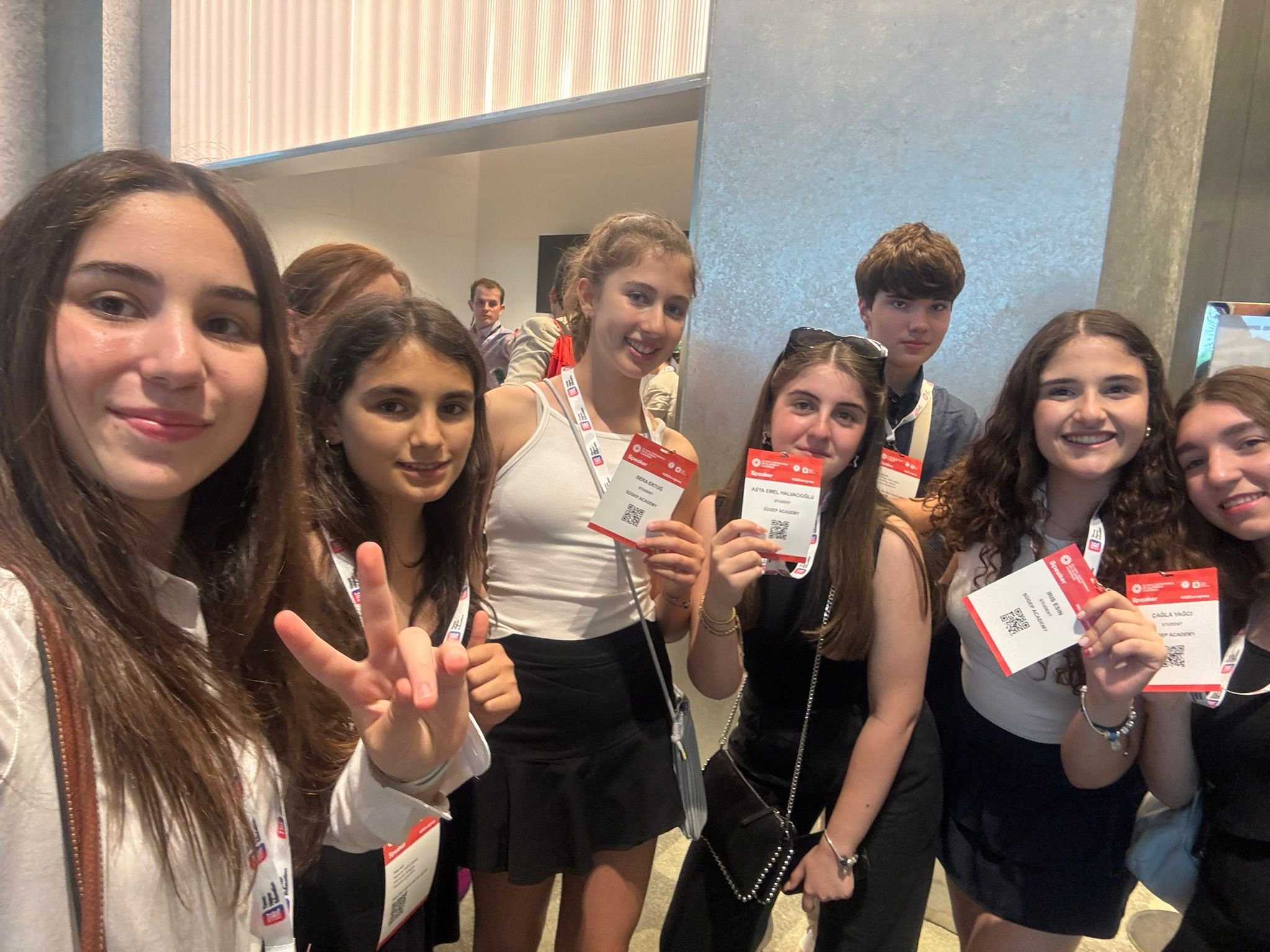
Immersed in a Global Sustainability Dialogue
"Upon arriving in Bangkok, I was immediately struck by the vibrant atmosphere," shared Defne Mey Dilsiz, a 15-year-old YRE student, in their report about the conference. "The energy was electric, filled with passionate individuals from all walks of life, all united in the pursuit of sustainable solutions." The congress sessions covered a wide range of pressing topics, from renewable energy to sustainable urban planning. "Each discussion underscored the urgency of the climate crisis, but also the potential for positive change through collaboration," noted İris Esin, a 16-year-old YRE student.
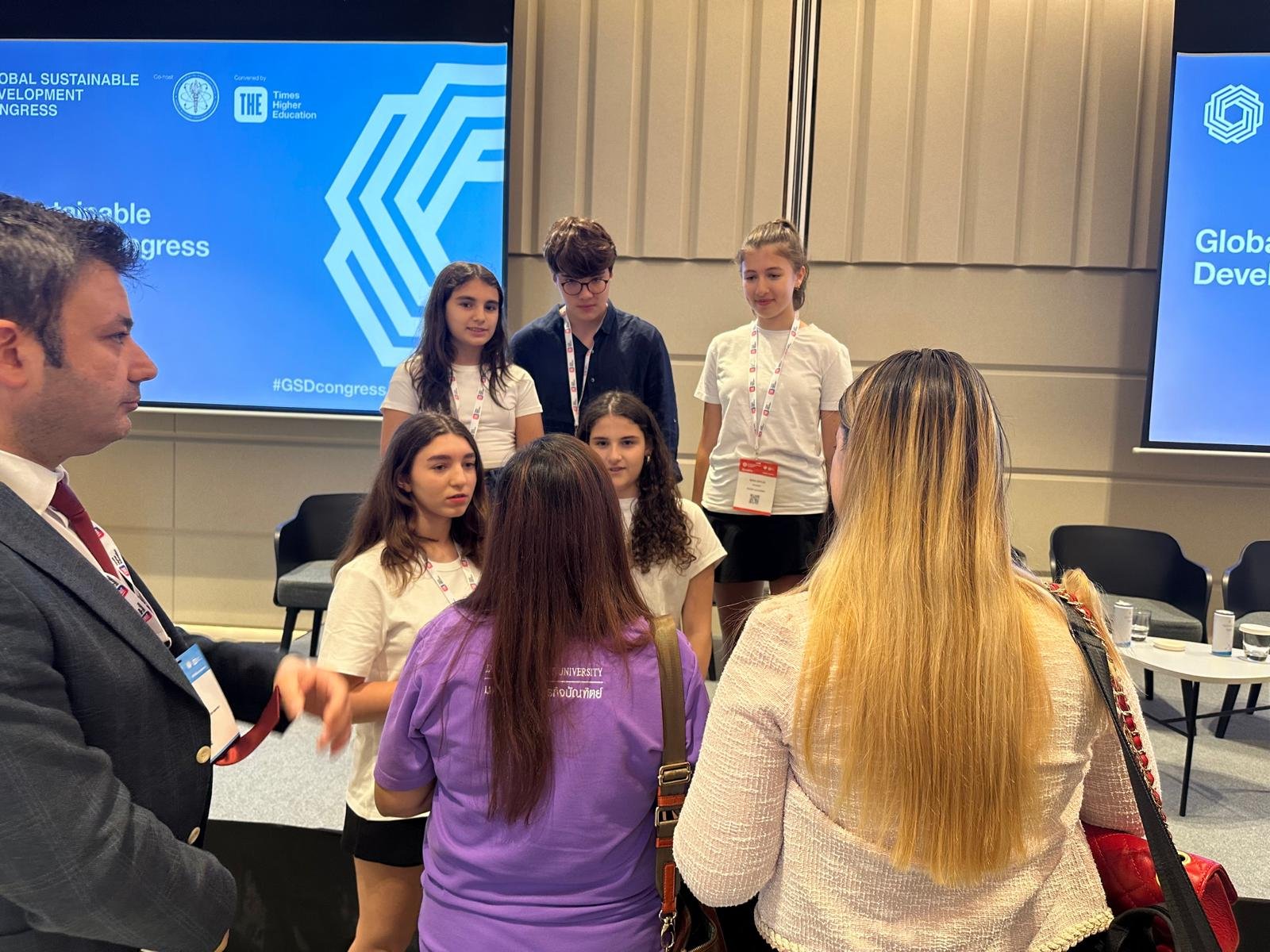
Presenting a Model Carbon Capture Project
A highlight of the trip for the YRE students was undoubtedly the chance to present their own project, titled "A Model Carbon Capture Project," to an international audience. "Our presentation centered on a breakthrough technology inspired by a natural process involving magnesium and atmospheric carbon dioxide," explained Sera Ertuğ, another 16-year-old YRE student. "This biomimicry approach has the potential to be a game-changer in the fight against climate change."
The presentation resonated with the audience, sparking lively discussions and positive feedback. "We were particularly encouraged by the enthusiasm from attendees who share our commitment to a sustainable future," said Bediz Bade Huntürk, a 16-year-old YRE student. "The feedback and discussions opened new avenues for further improvements and potential partnerships."

Empowered to Make a Difference
The GSD Congress wasn't just about sharing their project – it was about learning and growing as young environmental advocates. "Equipping ourselves with valuable insights from prominent researchers and industry experts was truly inspiring," shared Çağla Yağcı, a 16-year-old YRE student. "We're now even more motivated to refine our carbon capture approach and contribute significantly to the global conversation."
The focus on nature-inspired solutions aligns their strategy with ecological principles. "Our goal is to develop a solution that works in harmony with the environment, not against it," said Asya Emel Halvacıoğlu, a 16-year-old YRE student. "We believe that tackling climate change requires a multifaceted approach that integrates scientific ingenuity with practical application."
Returning from Bangkok, these YRE students from Türkiye are brimming with ideas and a renewed sense of purpose. "We are dedicated to advancing our carbon capture model, fostering collaboration, and influencing policy frameworks to create a sustainable and resilient future for all," concluded Şevket Yiğit Cebeci, a 16-year-old YRE student. Their dedication and innovative spirit are a true inspiration for all.

Congratulations to the 23/24 YRE Winners!
The Young Reporters for the Environment (YRE) programme is thrilled to announce the winners of the 2023-2024 International Competition!
The Foundation for Environmental Education (FEE) is proud to announce a record-breaking year for the Young Reporters for the Environment (YRE) International Competition 23/24. This year, the competition received 248 submissions from a remarkable 46 countries, marking the highest level of global participation to date. The YRE International Jury, comprised of experts from journalism and environmental NGOs, faced a challenging task in selecting the 25 overall winners from the thousands of exceptional entries received.


Winners of the photo category, left, Adaptability despite adversity, by Emma Lynn Cauchi from Malta, right, The Water We Wear by Dinis Cirne from Portugal
The full list of YRE winners can be found here. The winners covered a broad range of environmental issues in their reports relating to; space waste, noise pollution, coral reefs, urban wild meadows, packaging and food waste, fashion and medicine. Importantly all winners not only reported on the issues but also presented thoughtful solutions, and to raise awareness and enable positive action.
“On the occasion of the 30th anniversary of the Young Reporters for the Environment programme, I was pleased to see the young reporters looking at key current environmental issues in their countries at the local level, and seeking to explain the issues, the challenges and solutions that are being implemented in their communities. ”

Winning entry of the photo story category by photographer Luis Martins from Portugal
A Spotlight on Future Leaders
Marina Mifsud, a former YRE winner from Malta and newest member of the YRE International Jury, shared her thoughts on this year’s entries: "Little by little our young reporters are becoming more present, covering new grounds, and putting their voice out there to fight for a better world. It was a privilege to be able to judge such a high caliber of work by our reporters - and a special well done to the 11-14 age category with their most impressive work. We cannot wait to see next year's entries; hoping they will always get bigger and better. Well done to all our young reporters for their work for YRE 2023 - 2024; and don't forget, every little thing you do, matters."
The YRE competition received entries from a diverse range of participants, including individuals, youth groups, scout groups, UNESCO and International Schools through their FEE National Offices across the globe. This year, astoundingly 29 of the entries that made it through to shortlisting showcased international reporting collaborations, demonstrating the unifying power of YRE programme and competition.

Photo of the year taken by Maximo Lopez Mariano at a stadium in Buenos Aires, Argentina
As a prize in the 19-25 age categories, these winners have been invited to attend and report from the Foundation for Environmental Education’s, National Operators Meeting in South Korea, happening in March 2025. The event is a gathering of all global programme managers who come together to discuss key issues of our international programmes. It is a wonderful opportunity for the winners to report on the ground at a live event.
2024 also marks a significant milestone for the YRE programme – 30 years supporting young people to lead change. As the YRE mission states: the programme develops informed young leaders who leverage reporting to amplify their voices, champion freedom of expression, and drive positive environmental change within their communities.
Bernard Combes (Programme Specialist, Education for Sustainable Development at UNESCO) a member of the YRE International Jury explains: ‘On the occasion of the 30th anniversary of the Young Reporters for the Environment programme, I was pleased to see the young reporters looking at key current environmental issues in their countries at the local level, and seeking to explain the issues, the challenges and solutions that are being implemented in their communities. To quote the 1999 YRE Guide, it was encouraging to see that they clearly “acted as real journalists to understand environmental issues in the field, and to explain them to the largest public.” This is exactly what is needed to better connect people and the planet.’

Space Waste Disposal by Bor Jager from Slovenia, second place winner in the article category
Looking Forward: Ecosystem Restoration & Podcasting
The upcoming 2024-2025 YRE International Competition theme will be Ecosystem Restoration to support the work that FEE are undertaking as part of the UN Decade for Ecosystem Restoration [add logo on page]. The next round of the YRE competition will also include a new podcasting category that will provide a new platform for young leaders to share their environmental stories.
Stay tuned for more information about the upcoming 2024-2025 competition launch. In the meantime, congratulations again to all the incredible YRE participants! Your dedication to the environment inspires us all.

Don’t Treat Nature with Medicine by Līva Kauliņa from Latvia, third place winner in the article category

How YRE impacted me
In celebration of our 30th anniversary, we asked a former YRE student to share some reflections on how the programme supported her aspirations and goals.
I gained confidence - from writing news in my local community, YRE believed in me enough to give me an award. As a young journalist there is nothing more powerful than having people who believe in your work and support you. This made me seriously continue writing throughout university and eventually allowed me to go to COP23 with YRE. YRE gave, what felt like my hobby, a sense of legitimacy and importance, and it pushed me to continue working harder. YRE essentially told me - your work matters, please continue doing it
“YRE essentially told me - your work matters, please continue doing it!”
YRE also gave me the skills to be a journalist. I never went to journalism school! Thanks to programming and workshops, I learned how to report on stories on-the-ground - how to interview, write, edit, and work with others.
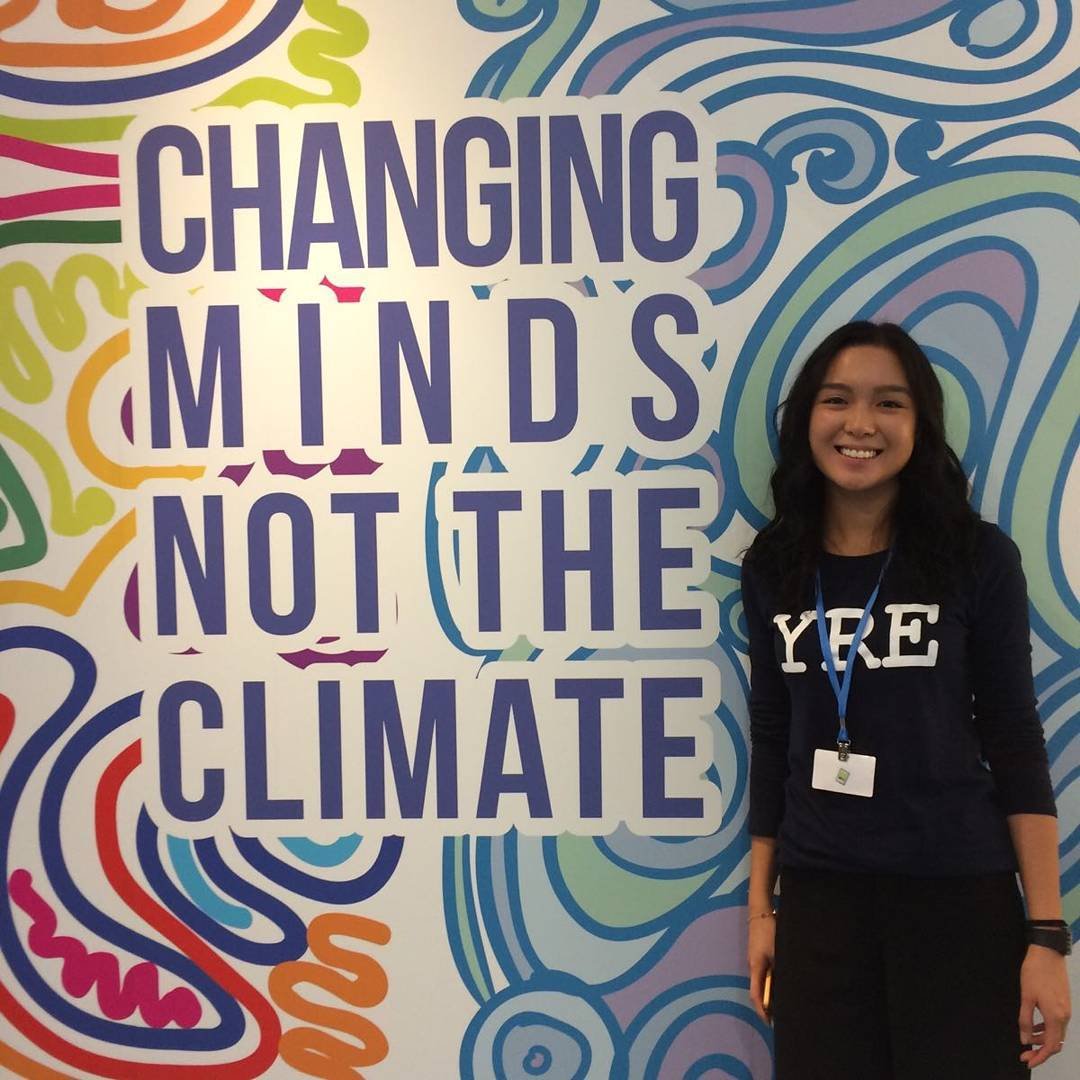
YRE also gave me a beautiful, international community. Reporting on the environment can be difficult and lonely, given the state of the world.
But I was always inspired to learn about the work happening around the world through the eyes of other YRE.
It was also so beautiful to share cultural values and gain perspectives about our environment I never would have otherwise.
Allison Gacad is a former YRE participant and is now working in climate journalism as a correspondence for Carbon Pulse, where she covers carbon policy, clima-tech and policy.